News

Kazakhstan and China: deals, trade and rates

Deals, financing, trade figures and central bank decisions that affect the companies and trade flows covered on this site. Each brief has a chart, a plain-language summary and its sources.

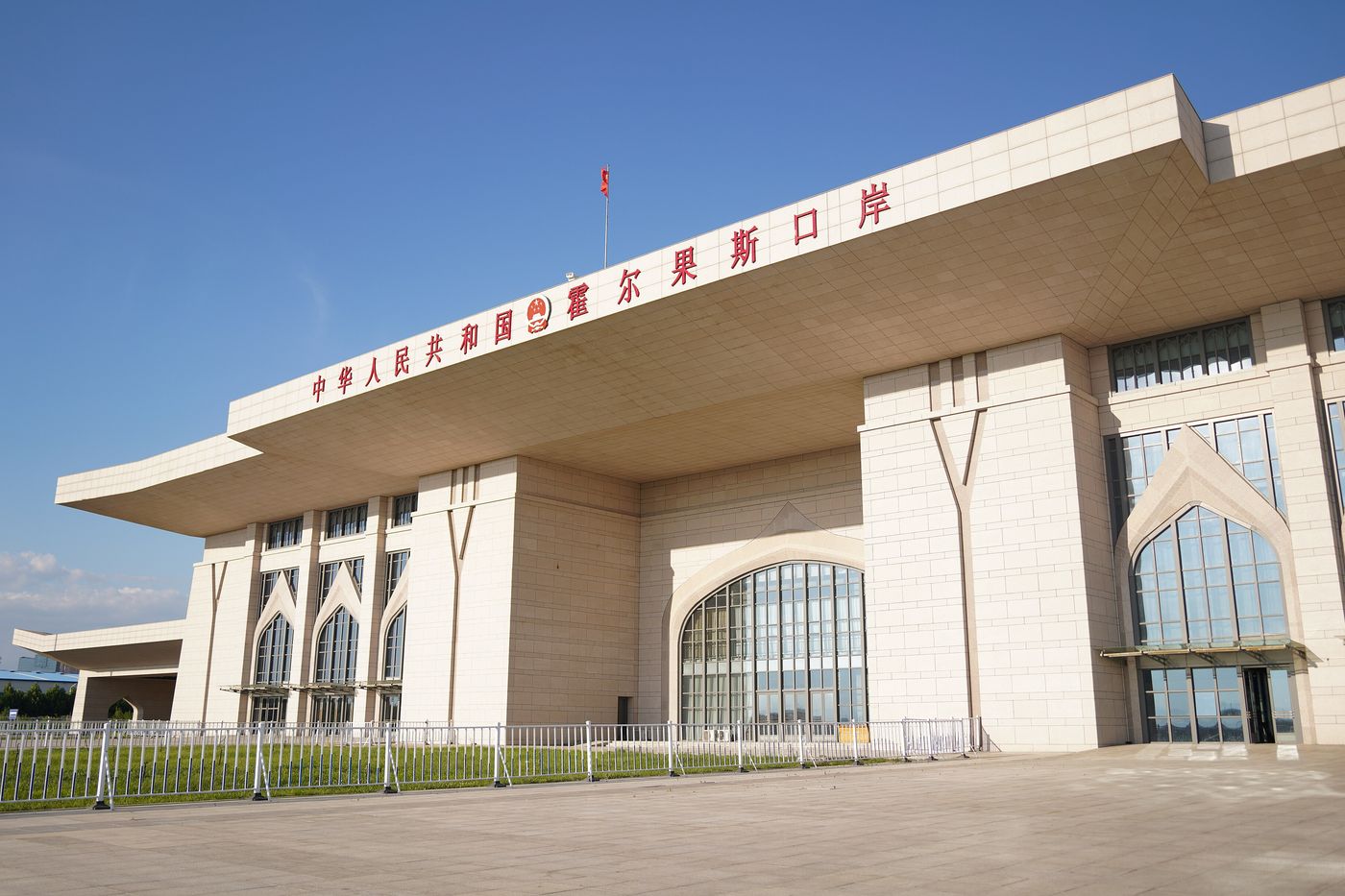
The Chinese terminal at the Khorgos border crossing with KazakhstanTrade

Kazakh companies sign about $100 million of export deals on the first day of China's import expo

$43.3 bnKazakhstan-China trade, January-September 2026, up 21.9%

About 40 Kazakh producers are showing food products at the China International Import Expo in Shanghai.
In simple wordsKazakh food producers signed contracts to sell to Chinese buyers at a large trade fair in Shanghai.
Kazakhstan-China trade as reported, $ billion
2025, full year
$48.7 bn
2026, January-September
$43.3 bn
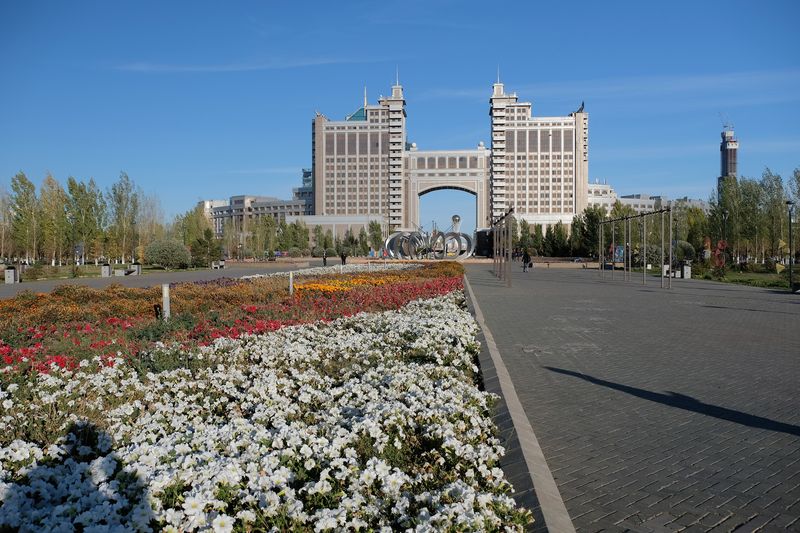
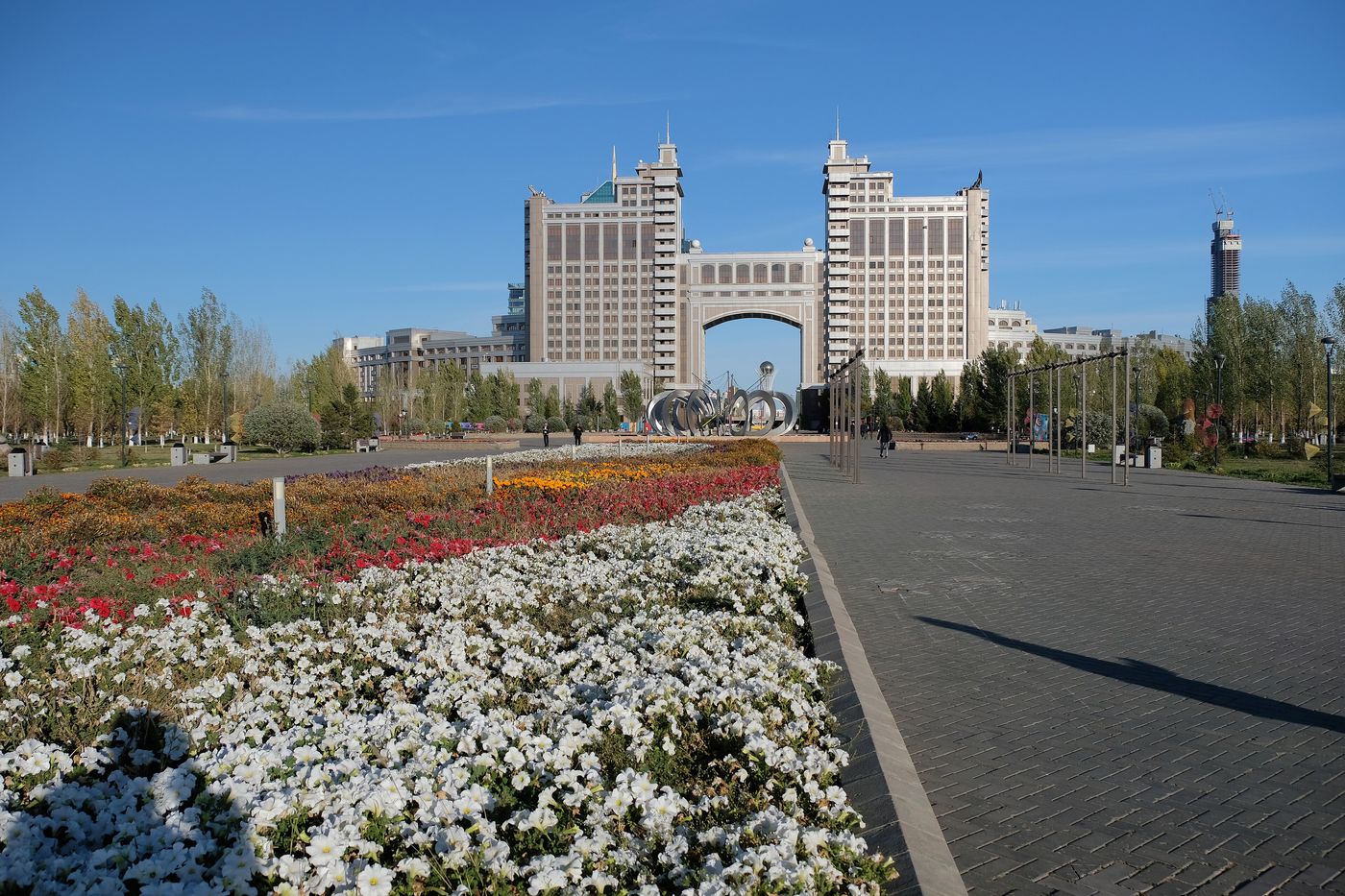
The KazMunayGas headquarters in AstanaDeals

KazMunayGas gets a 15-year yuan credit line from China Development Bank for two gas pipelines

¥2.89 bn15-year credit line from China Development Bank, about $400 million

Up to 2.89 billion yuan, about $400 million, will pay for Kazakhstan's first main ethane and propane pipelines.

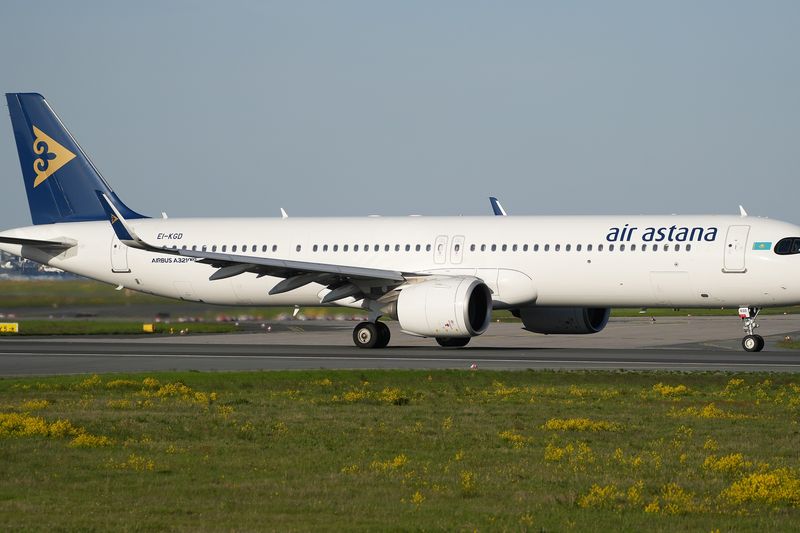
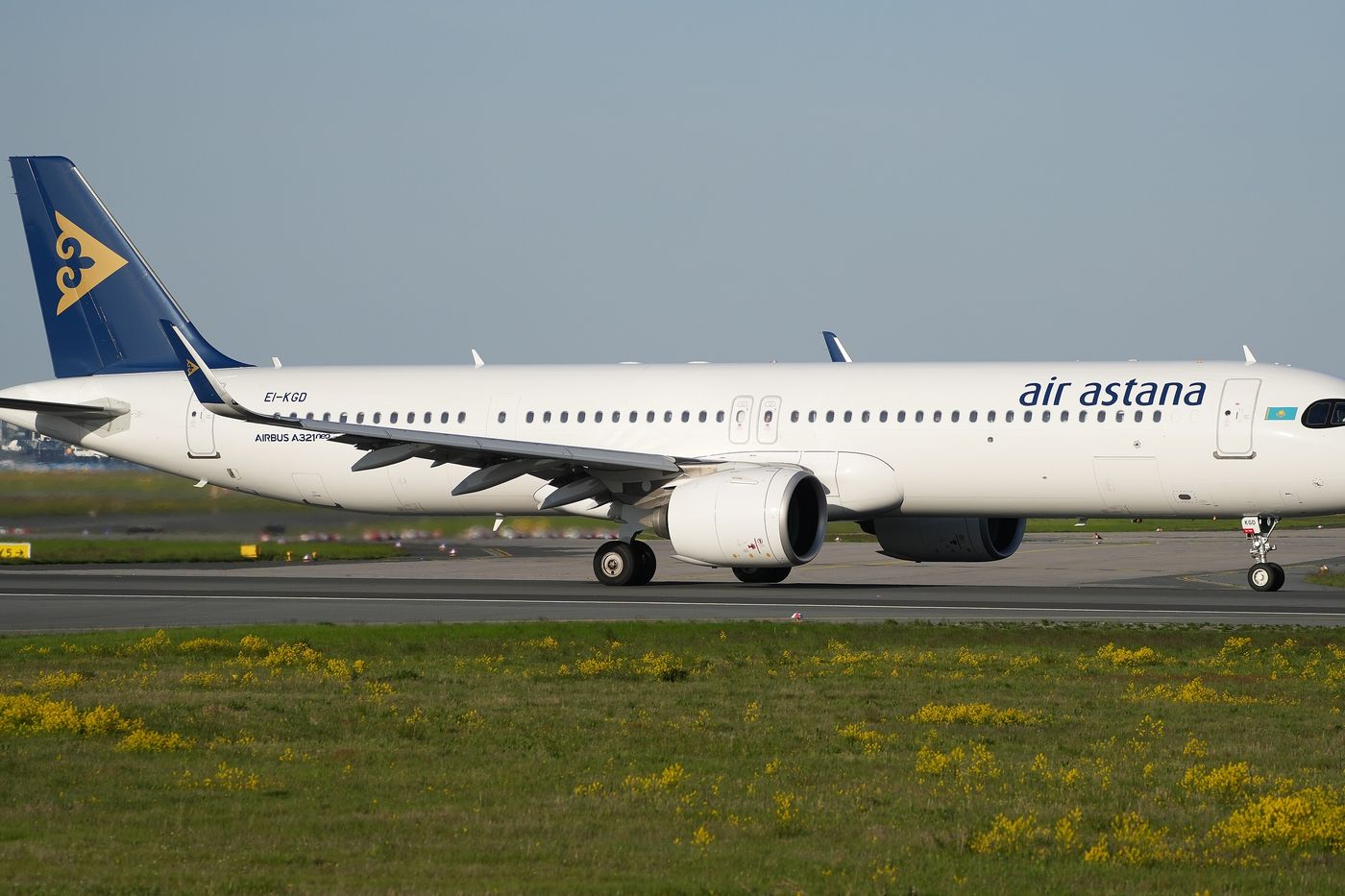
An Air Astana Airbus A321LRDeals

Air Astana and China Southern sign the first airline joint venture between Kazakhstan and China

117scheduled flights a week between Kazakhstan and China, all airlines

The airlines will coordinate schedules, widen codesharing and sell jointly.

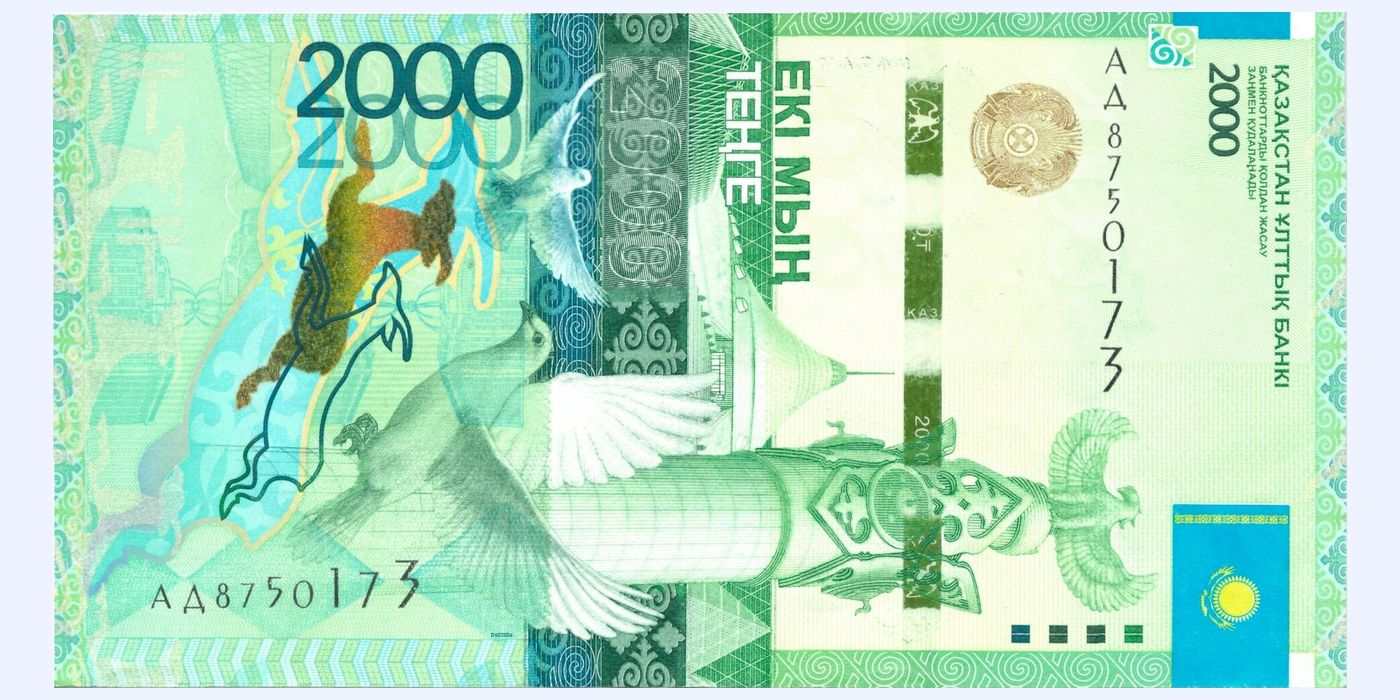
A 2,000-tenge banknoteRates

Kazakhstan's central bank cuts its base rate to 15.75%

15.75%new base rate, from 16.25%

The National Bank lowered the rate by half a percentage point and signalled no further change this year.

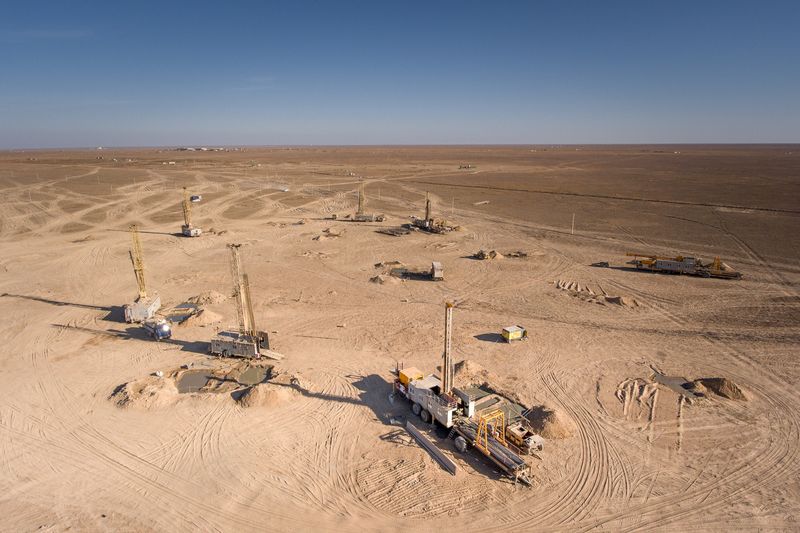
Drilling wells at the Inkai uranium mine in KazakhstanDeals

Kazatomprom shareholders approve a uranium contract with a Chinese buyer and do not approve one with Russia's Uranium One

88.63%of votes cast for the contract with the Chinese buyer

The Chinese contract received 88.63% of the votes cast; the Russian one received 5.39%.

Full briefs

Trade

Kazakh companies sign about $100 million of export deals on the first day of China's import expo

About 40 Kazakh producers are showing food products at the China International Import Expo in Shanghai.

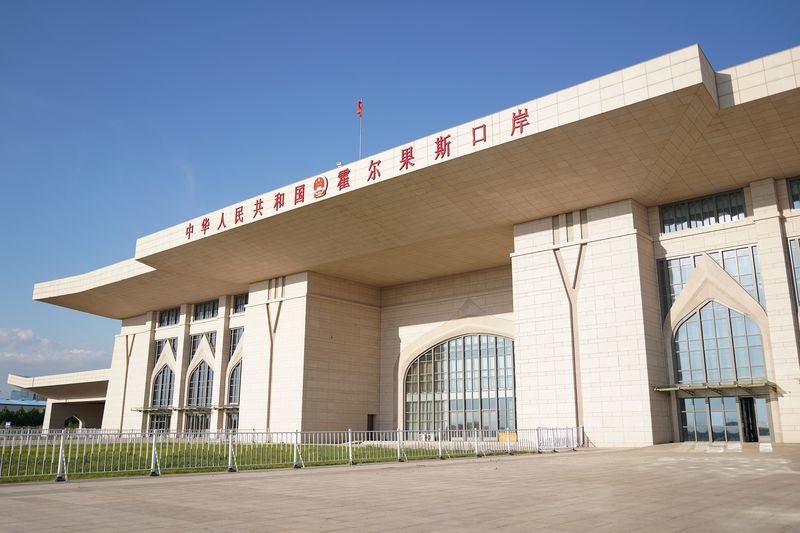
The Chinese terminal at the Khorgos border crossing with Kazakhstan
The Chinese terminal at the Khorgos border crossing with Kazakhstan. Photo: Akira CA, Wikimedia Commons, CC BY-SA 4.0, cropped.
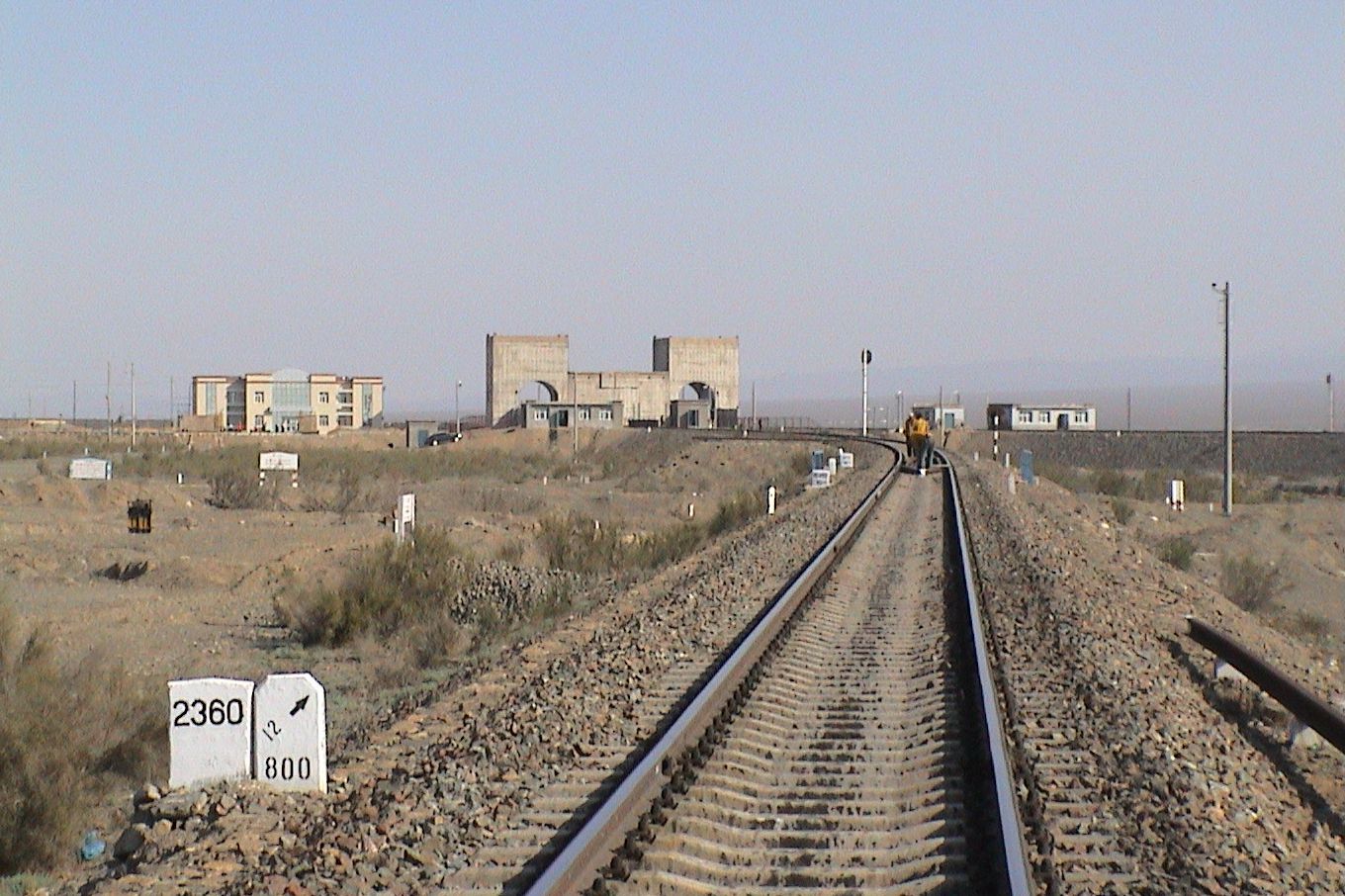
The railway at Alashankou, across the border from Dostyk in Kazakhstan
The railway at Alashankou, across the border from Dostyk in Kazakhstan. Photo: Yaohua2000, Wikimedia Commons, CC BY-SA 3.0, cropped.
In simple words

Kazakh food producers signed contracts to sell to Chinese buyers at a large trade fair in Shanghai.

Kazakh companies signed agreements worth about $100 million on 5 November, the first day of the 9th China International Import Expo (CIIE) in Shanghai, Kazakhstan's Ministry of Trade and Integration said. About 40 producers are in the national pavilion, showing vegetable oils, flour, confectionery, dairy products and drinks. The expo runs until 10 November.

The trade minister, Arman Shakkaliyev, led the delegation. The same report puts trade between the two countries at $43.3 billion in the first nine months of 2026, up 21.9% on a year earlier, after $48.7 billion in the whole of 2025.

Why it matters

The $48.7 billion for 2025 is the figure in Chinese customs data. Kazakhstan's own statistics show $34.1 billion for the same year; the trade brief on this site explains the gap. Food is a small part of what Kazakhstan sells to China, which is mostly ores, oil and metals, so deals like these are a test of whether exports can widen beyond raw materials.
Deals

KazMunayGas gets a 15-year yuan credit line from China Development Bank for two gas pipelines

Up to 2.89 billion yuan, about $400 million, will pay for Kazakhstan's first main ethane and propane pipelines.

The KazMunayGas headquarters in Astana
The KazMunayGas headquarters in Astana. Photo: Davide Mauro, Wikimedia Commons, CC BY-SA 4.0, cropped.
In simple words

Kazakhstan's national oil company borrowed from a Chinese state bank to build two pipelines that carry gas to plastics plants.

KazMunayGas and KMG PetroChem agreed a 15-year credit line of up to 2.89 billion yuan (about $400 million) with China Development Bank, as reported on 2 November. The loan is backed by a corporate guarantee from Samruk-Kazyna, the state fund that controls KazMunayGas.

The money finances the construction contract for two pipelines in the Atyrau region, each about 210 km long, from the Tengiz gas separation complex to Karabatan. The ethane line, 1.6 million tonnes a year, will feed a polyethylene plant that is under construction; the propane line, 1.1 million tonnes a year, will feed the existing polypropylene plant. The contract was signed in November 2025 with a consortium led by China Petroleum Pipeline Engineering.

Why it matters

The lender is a Chinese state bank, the loan is in yuan and the lead contractor is Chinese, so both the money and the construction for this Kazakh project come from China. The pipelines supply plants that turn gas into plastics, which sell for more than the gas itself.

Deals

Air Astana and China Southern sign the first airline joint venture between Kazakhstan and China

The airlines will coordinate schedules, widen codesharing and sell jointly.

An Air Astana Airbus A321LR
An Air Astana Airbus A321LR. Photo: MarcelX42, Wikimedia Commons, CC BY-SA 4.0, cropped.
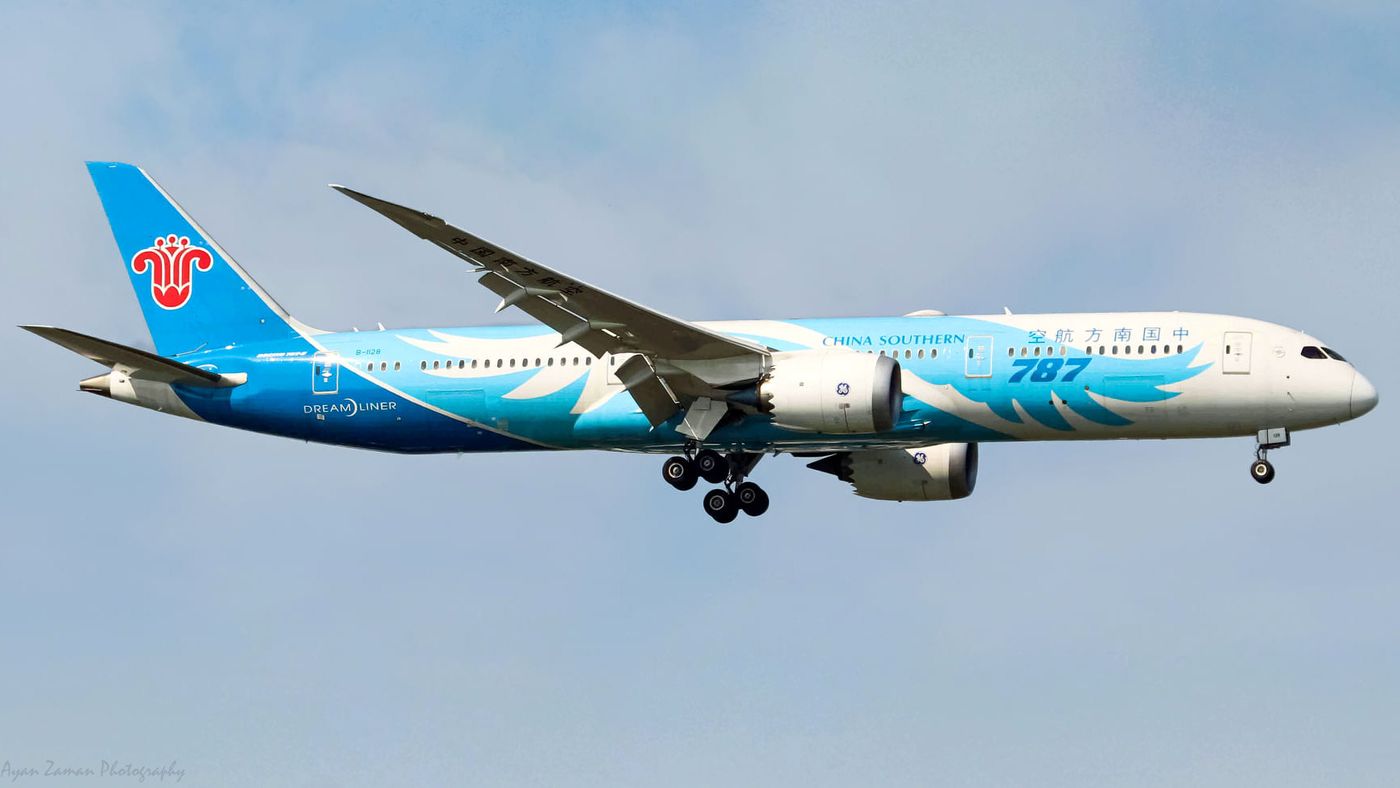
A China Southern Boeing 787-9
A China Southern Boeing 787-9. Photo: Md Shaifuzzaman Ayon, Wikimedia Commons, CC BY-SA 4.0, cropped.
In simple words

Two airlines agreed to plan their flights between Kazakhstan and China together instead of competing for the same passengers.

Air Astana and China Southern Airlines signed a joint venture agreement on 30 October, building on a codeshare deal they already had. Under the agreement the two airlines will coordinate flight schedules, expand codeshare services and run joint marketing.

Kazakhstan's deputy transport minister, Talgat Lastaev, said at the signing that flights between the two countries were up 52% on 2025, to 117 scheduled flights a week on 21 routes, and that more than one million passengers had flown between them since the start of 2026.

Why it matters

China is Air Astana's fastest-growing market, but the group lost money in the first half of 2026. A joint venture lets two airlines share the flying on a route instead of competing for the same passengers, which is one way to fill seats at better prices.

Rates

Kazakhstan's central bank cuts its base rate to 15.75%

The National Bank lowered the rate by half a percentage point and signalled no further change this year.

A 2,000-tenge banknote
A 2,000-tenge banknote. Photo: National Bank of Kazakhstan, Wikimedia Commons, Public domain, cropped.
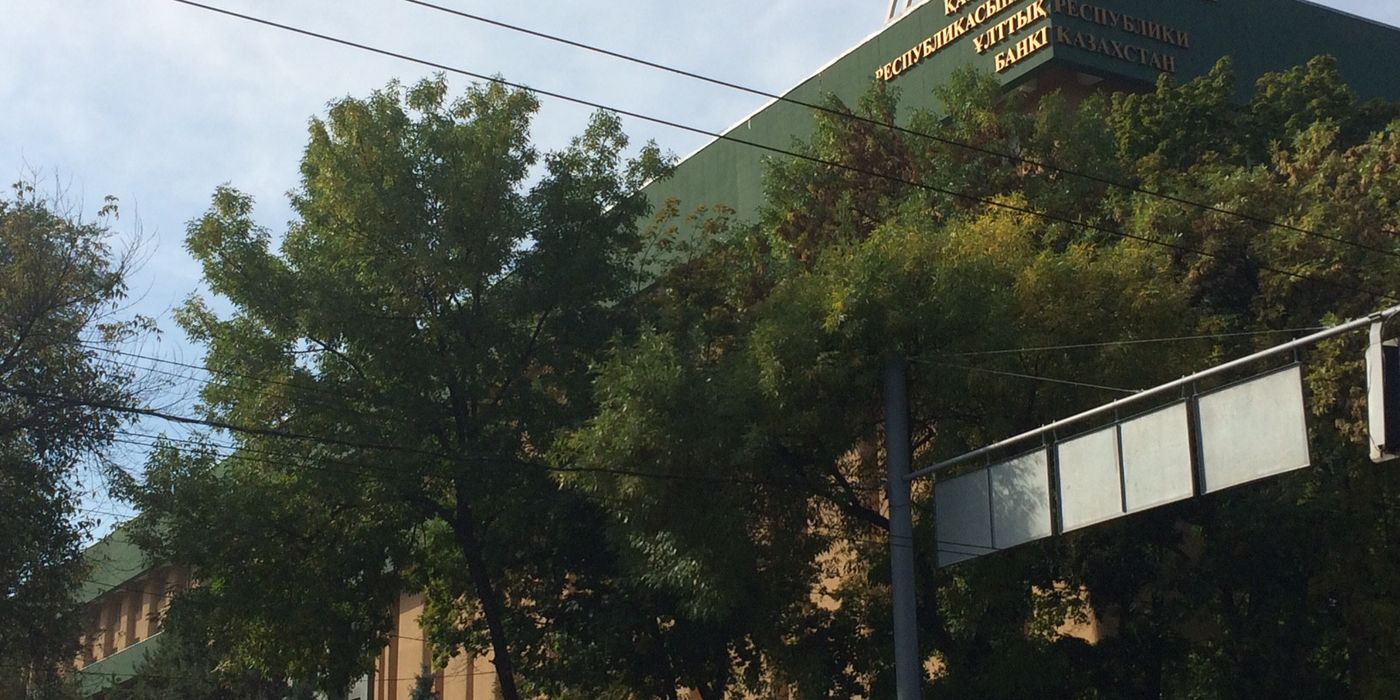
The National Bank of Kazakhstan building in Almaty
The National Bank of Kazakhstan building in Almaty. Photo: МаратД, Wikimedia Commons, CC BY-SA 4.0, cropped.
In simple words

Kazakhstan's central bank made borrowing slightly cheaper, because prices are now rising more slowly.

The National Bank of Kazakhstan reduced its base rate from 16.25% to 15.75% on 23 October. It pointed to slower inflation, which had fallen to 9.3% a year, and to lower inflation expectations. It still describes its policy as moderately tight.

The bank said a further change before the end of 2026 was unlikely, and warned that annual inflation could rise for a while at the end of the year because utility tariffs were frozen in 2025. The next decision is due on 4 December.

Why it matters

The base rate sets the price of money for banks. Halyk's net interest margin fell from 7.3% to 6.8% in the first half of 2026, partly because deposits became more expensive; a lower rate eases that pressure, though slowly.

Deals

Kazatomprom shareholders approve a uranium contract with a Chinese buyer and do not approve one with Russia's Uranium One

The Chinese contract received 88.63% of the votes cast; the Russian one received 5.39%.

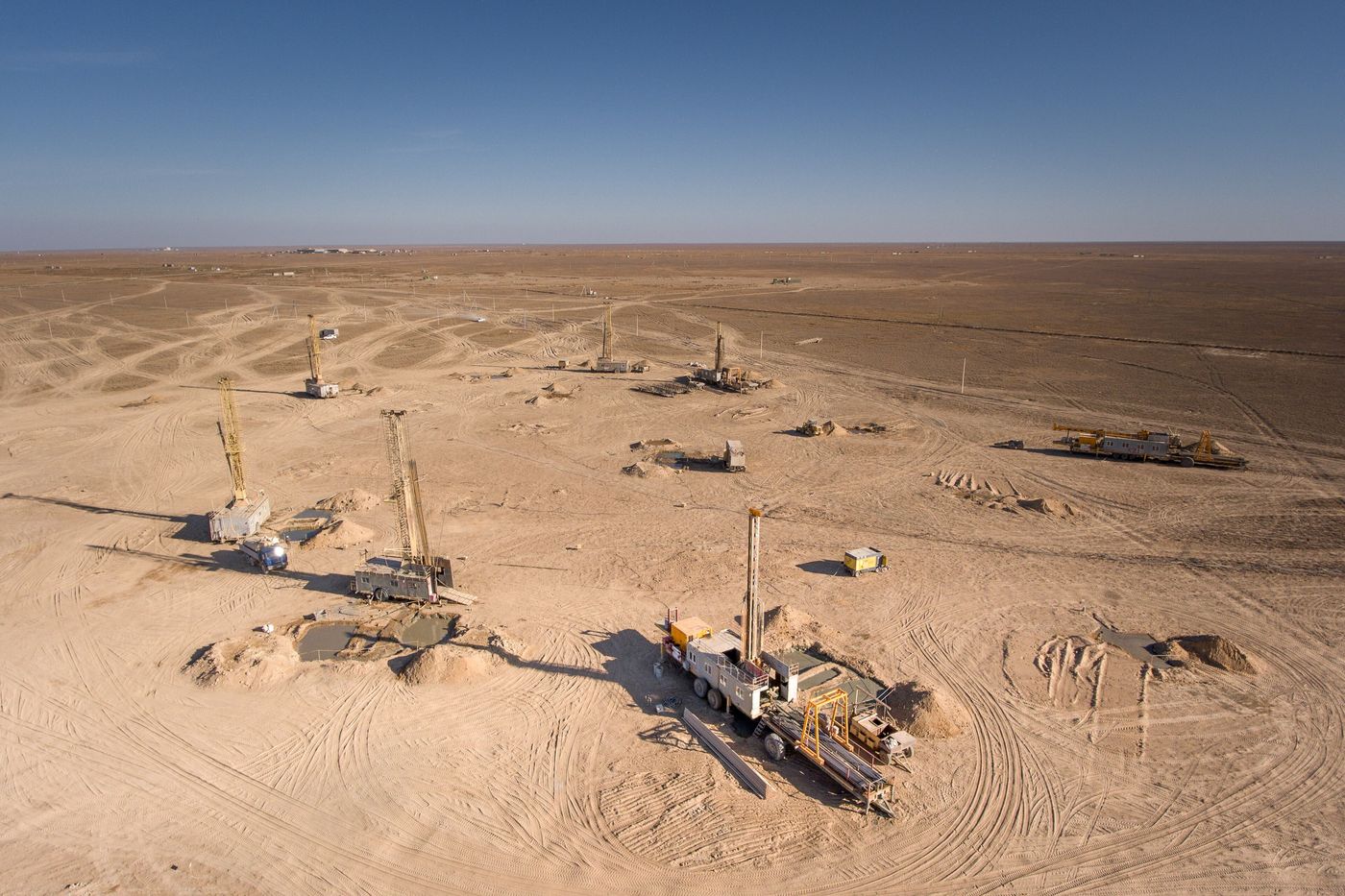
Drilling wells at the Inkai uranium mine in Kazakhstan
Drilling wells at the Inkai uranium mine in Kazakhstan. Photo: NAC Kazatomprom JSC, Wikimedia Commons, CC BY-SA 4.0, cropped.
In simple words

Kazatomprom's owners agreed to a large uranium sale to a Chinese company and did not agree to one with a Russian company.

Kazatomprom's shareholders voted on two uranium supply contracts at an extraordinary general meeting; absentee voting ended on 7 October. A contract to sell natural uranium concentrates to China's State Nuclear Uranium Resource Development Company was approved with 88.63% of the votes cast, 6.49% against and 4.88% withheld.

A supply contract with Russia's Uranium One Group was not approved. It needed a simple majority, but 88.34% of the votes were withheld; 5.39% were in favour and 6.27% against. Holders of 99.21% of the voting shares took part.

ContractForAgainstWithheld
State Nuclear Uranium Resource Development Company (China)88.63%6.49%4.88%
Uranium One Group (Russia)5.39%6.27%88.34%
Why it matters

Asia took 56% of Kazatomprom's uranium sales by volume in 2025, up from 45% in 2023 (company note). A contract large enough to need shareholder approval shows that Chinese buyers remain central to what the company sells.

Briefs are written from the sources listed with each one. Figures are as reported on the date shown and are not updated afterwards. Not investment advice.